4.1 Define the business clearly
A visitor, and a search system, should quickly understand what a business does, what it sells, who it serves, where it operates, and what differentiates it from competitors. Vague or overly abstract language on core pages makes this harder than it needs to be.
For example, "We provide software solutions" gives little context. A clearer description would identify the specific software category, target customers, primary use cases, and geographic market. The second version gives readers and search systems a much clearer understanding of what the business actually represents.
4.2 Maintain consistent entity information
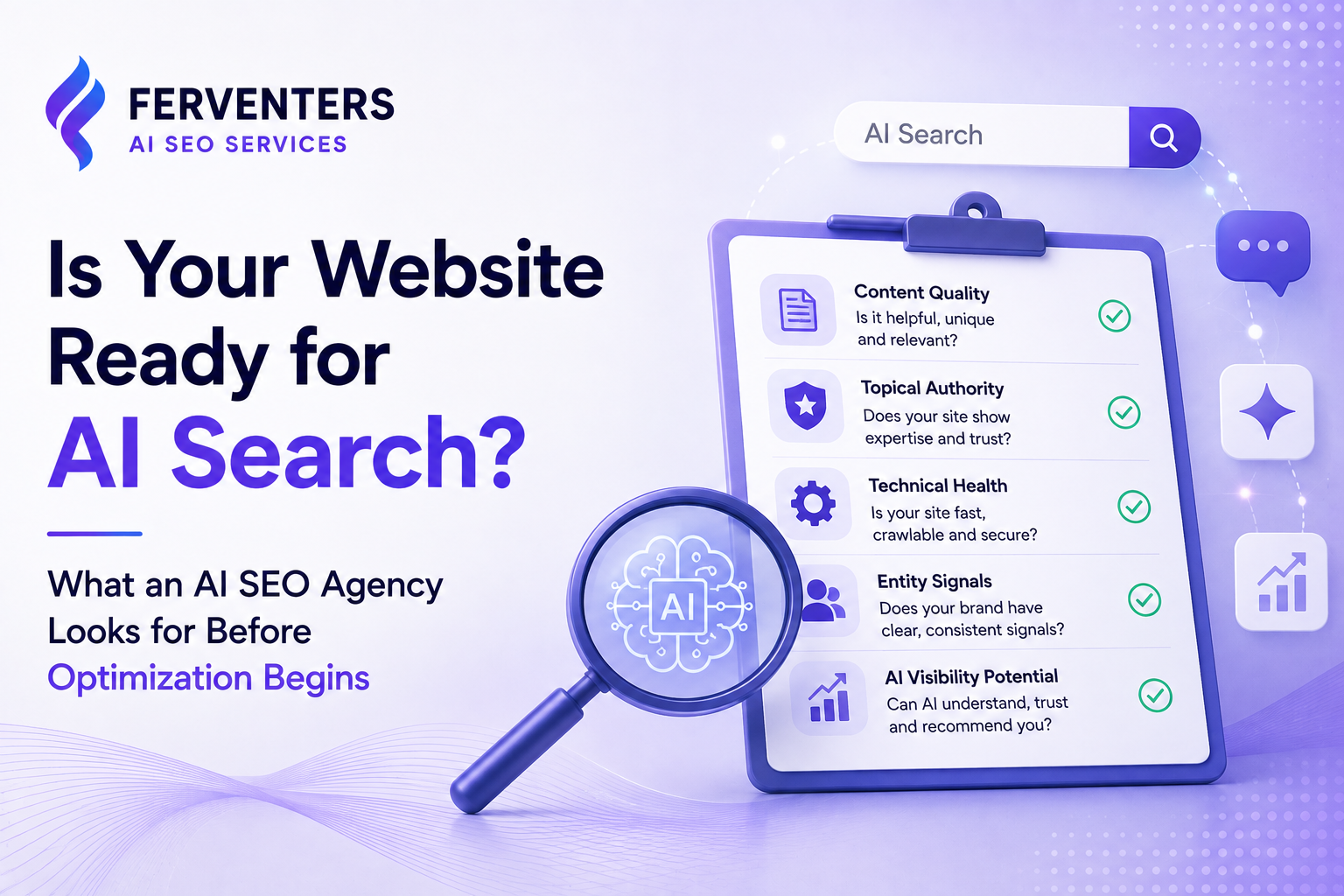
Consistency matters across the website itself, business profiles, author bios, industry directories, and other trusted third-party sources. Mismatched names, addresses, or service descriptions create confusion about which information is accurate.
4.3 Make relationships understandable
It also helps when relationships between a brand, its services, products, people, locations, and industry are clearly expressed rather than implied. This is sometimes called entity optimization, and it supports a clearer picture of the business without depending on any single platform's internal ranking mechanics, which are not publicly documented by ChatGPT, Gemini, or Perplexity.